Quantifying Climate Action Co‑Benefits

Generating robust, quantitative evidence on the health, social, and economic co-benefits of priority climate mitigation actions in Kenya’s energy, transport, and environmental sectors.

4 Counties
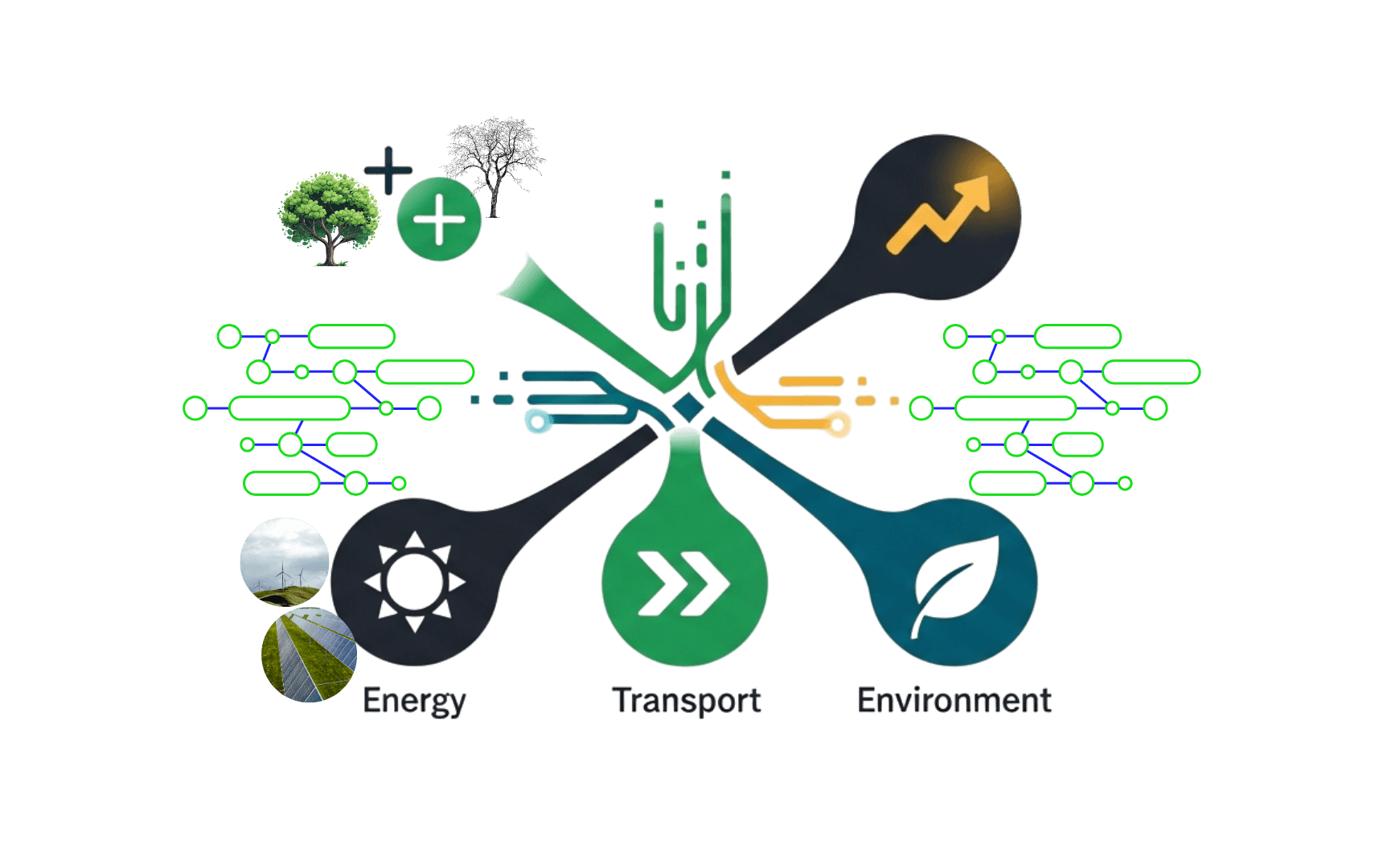
3 Key Sectors
Health Co-Benefits
Air Quality Focus
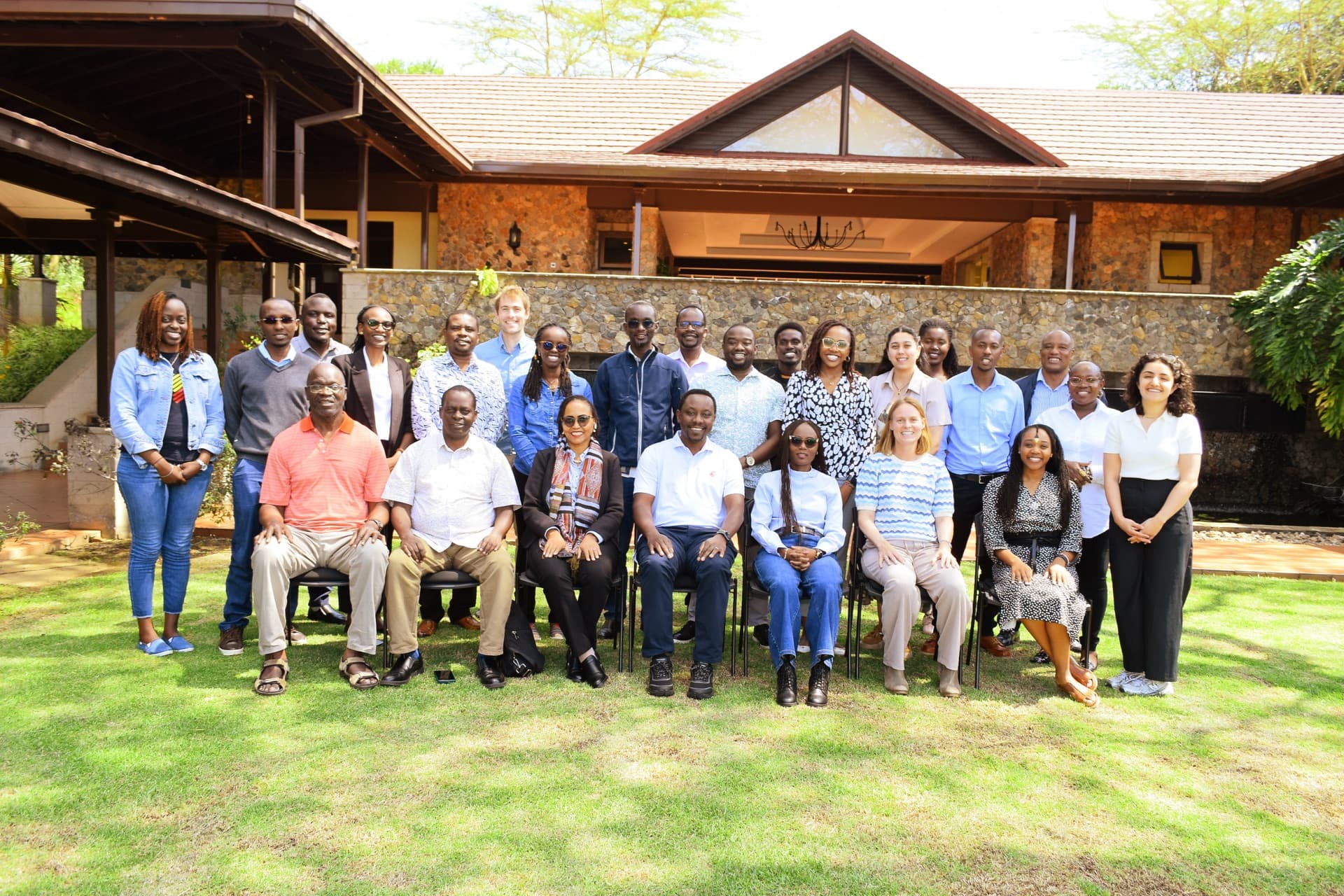
The CLIMA research consortium at the project kick-off meeting in Nairobi
About The Initiative

Evidence for climate action that pays off in health

CLIMA generates robust, quantitative evidence on the health, social, and economic co-benefits of priority climate mitigation actions in Kenya’s energy, transport, and environmental sectors — turning mitigation scenarios into evidence decision-makers can act on.

3

Key sectors

5

Counties covered

5

Work packages

Learn more about the project
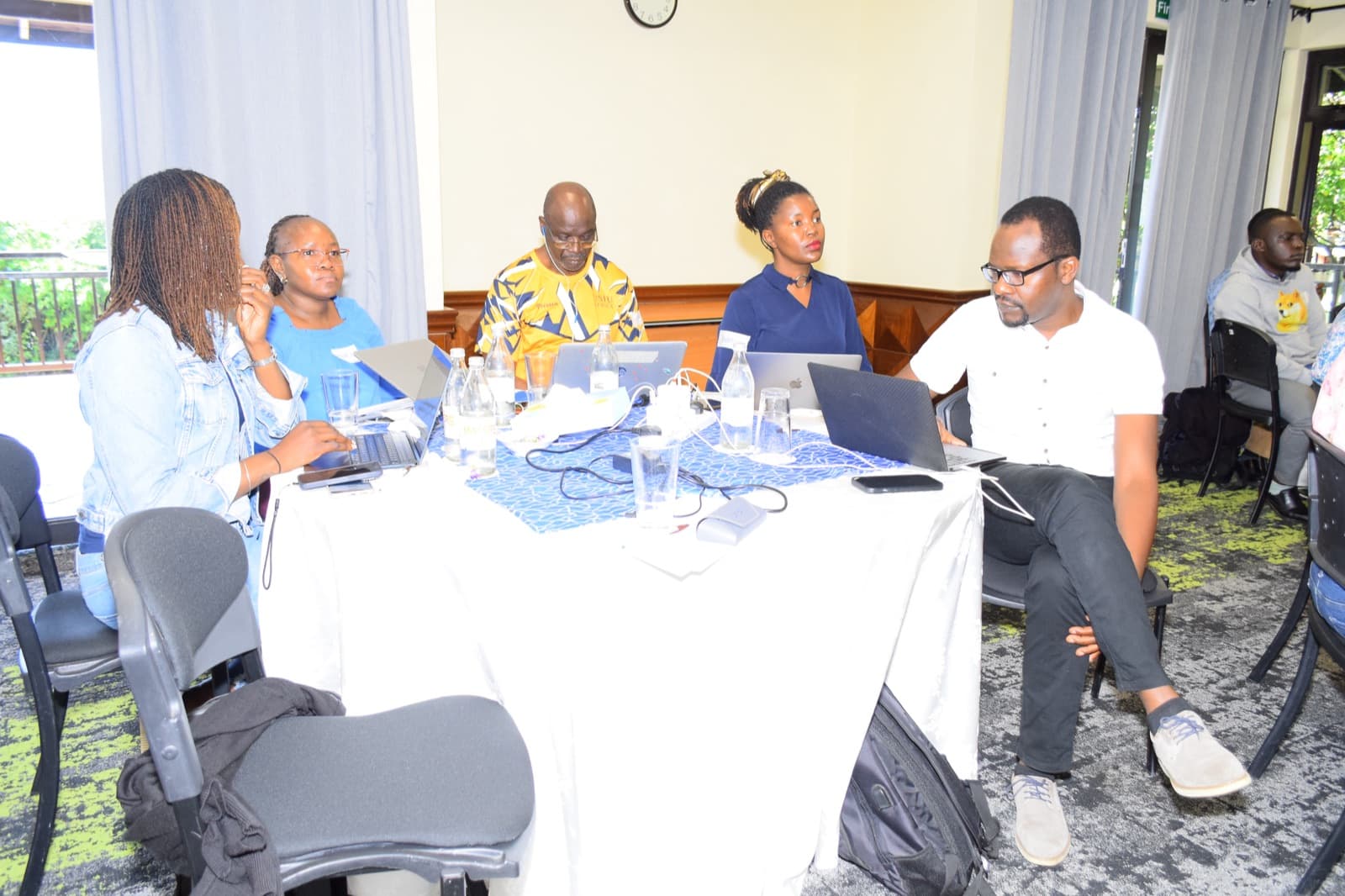
CLIMA researchers reviewing project findings
Climate mitigation strategy in Kenya
The Challenge

Kenya has developed comprehensive climate mitigation strategies across energy, transport, and environmental sectors under its National Climate Change Action Plan 2023–2027.

The Gap

It lacks a comprehensive framework to routinely monitor and quantify the health co-benefits of current or future mitigation actions — evidence needed to access financing and drive climate action.

Our Objectives

An integrated approach to climate and health evidence

01

Systematically identify and characterize priority climate mitigation interventions aligned with Kenya’s National Climate Change Action Plan 2023–2027.

02

Establish comprehensive environmental monitoring to measure air quality changes resulting from mitigation interventions.

03

Deploy high-resolution atmospheric modelling to quantify sector-specific air quality using the LOTOS-EUROS chemical transport model.

04

Conduct integrated health impact assessment quantifying multisectoral health, social, and economic co-benefits of climate mitigation actions.

05

Establish robust governance structures to drive climate and health thought leadership, knowledge generation, and policy translation.
See how these objectives translate into our five work packages.

Explore our approach
Our Focus Areas

Five work packages, one integrated evidence base

A comprehensive approach spanning identification, monitoring, modelling, impact assessment, and policy translation.

Priority Interventions

Identification and characterization of priority climate mitigation interventions.

Air Quality Monitoring

Environmental exposure measurements linked to climate mitigation actions.

Atmospheric Modelling

Air quality modelling built on a novel, high-resolution emission inventory.

Health & Economic Impact

Modelling and synthesizing the multisectoral health, social, and economic impacts of air pollution.

Governance & Policy

Transdisciplinary knowledge generation and translation into actionable climate policy.

See the full breakdown of every work package and lead institution.

Explore work packages
PROJECT LOCATION

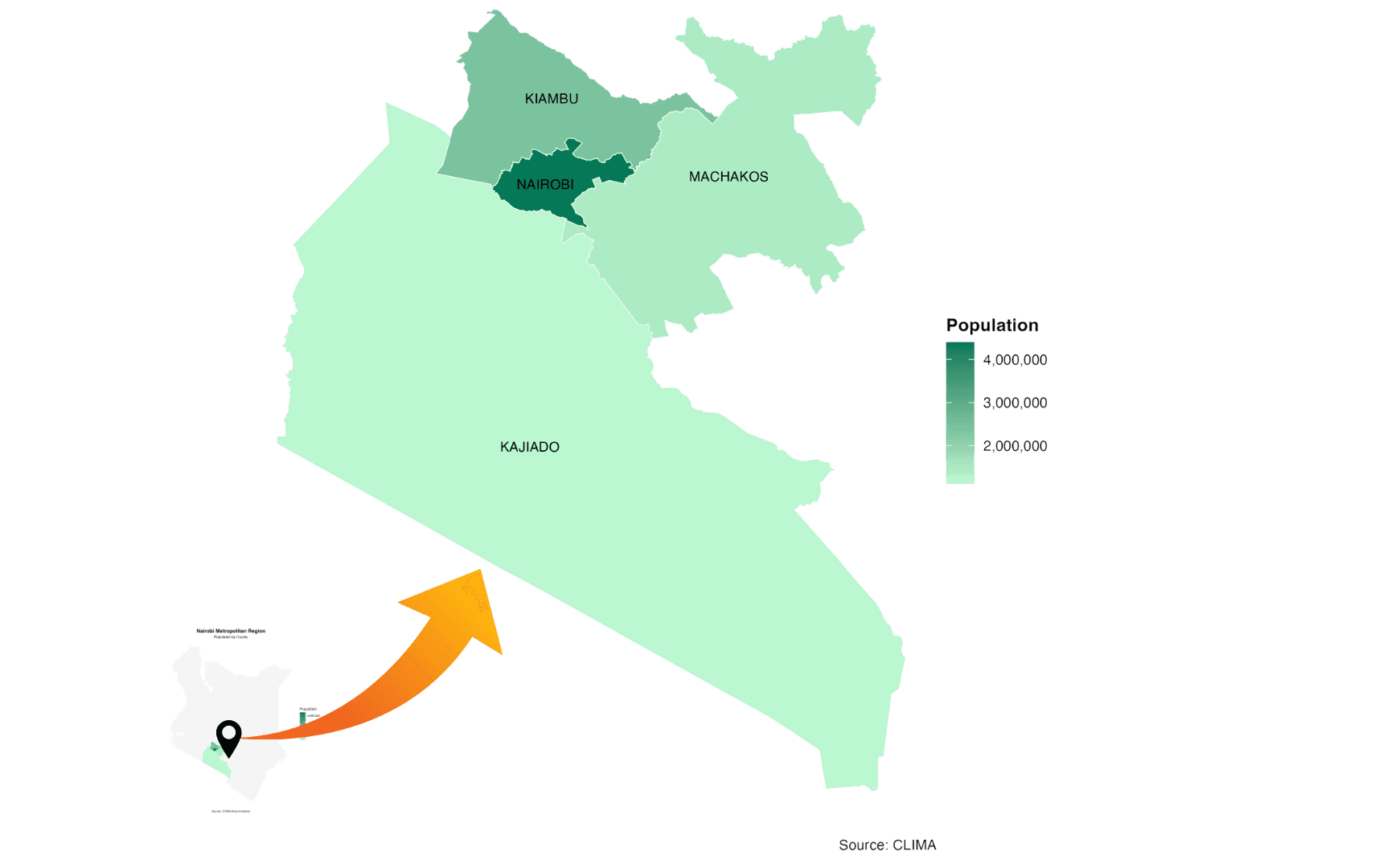
The project is conducted in the Nairobi Metropolitan Area

Representing challenges common across rapidly urbanizing African cities while providing diverse geography from urban core to peri-urban settlements for assessing intervention impacts across varied socio-economic contexts.

Nairobi Metropolitan Area
OUR PARTNERS

Collaborating with leading institutions and organizations across Africa and beyond

Consortium Leader

Center for Epidemiological Modelling and Analysis (CEMA)

University of Nairobi

A centre of excellence supporting government health decision-making.

Key Partner

Kenya Medical Research Institute (KEMRI)

Air Pollution Centre of Excellence, coordinating Kenya's Air Pollution, Energy and Health and Climate Change and Health Technical Working Groups.

Key Partner

Air Quality Systems East Africa

Industry leader in East Africa air quality solutions including sensor technologies.

Key Partner

TNO Netherlands

Leading air quality modelling organization.