A leading group epidemiologists, environmental scientists, and exposure researchers leading CLIMA across its four partner institutions.

Prof. Thumbi Mwangi
Center for Epidemiological Modelling and Analysis (CEMA), University of Nairobi
Thumbi Mwangi is a Professor of Epidemiology at Washington State University's Paul G. Allen School for Global Health, Co-founder and Co-director of the Center for Epidemiological Modelling and Analysis (CEMA) at the University of Nairobi. He is also the Director for Animal Health Innovation Lab, and a Calestous Juma Science Leadership Fellow.Based in Kenya, he leads a research team using applied epidemiological and economic modelling to inform public health policies and control/elimination programs of epidemic and endemic diseases in Africa. He holds a degree in Veterinary Medicine and Surgery, an MSc in Genetics and Animal Breeding from the University of Nairobi, and a Ph.D. in Infectious Disease Epidemiology from the University of Edinburgh. He has served as the Chair of the Kenya COVID-19 Technical Committee on Modelling, the Co-chair of the WHO/FAO/WOAH United Against Rabies Working Group, a Lancet Commissioner on the strengthening use of epidemiological modelling of emerging and pandemic infectious diseases, and an Affiliate Fellow of the African Academy of Sciences.
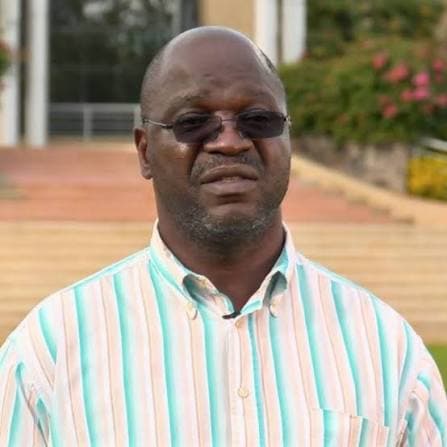
Prof. Maina Muniafu
Air Quality Systems East Africa (AQS)
Maina Muniafu is an Associate Professor of Natural Sciences in the School of Pharmacy and Health Sciences at the United States International University – Africa, Nairobi. He is Chair of the CitSci Africa Association and Vice Chair of the Citizen Science Global Partnership, and holds a PhD in Botany (Plant Ecophysiology). He has spent the past 30 years teaching and researching environmental sustainability — the energy-water-food nexus — including climate change adaptation and mitigation and the quality of resources such as water and air. Through Citizen Science, his focus has been on training residents in various communities to collect and analyse data on environmental factors affecting them, with a view to influencing policy. Other community efforts have targeted improving the livelihoods of youth in low-income areas by involving them in entrepreneurship through nature-based solutions in their immediate environments.
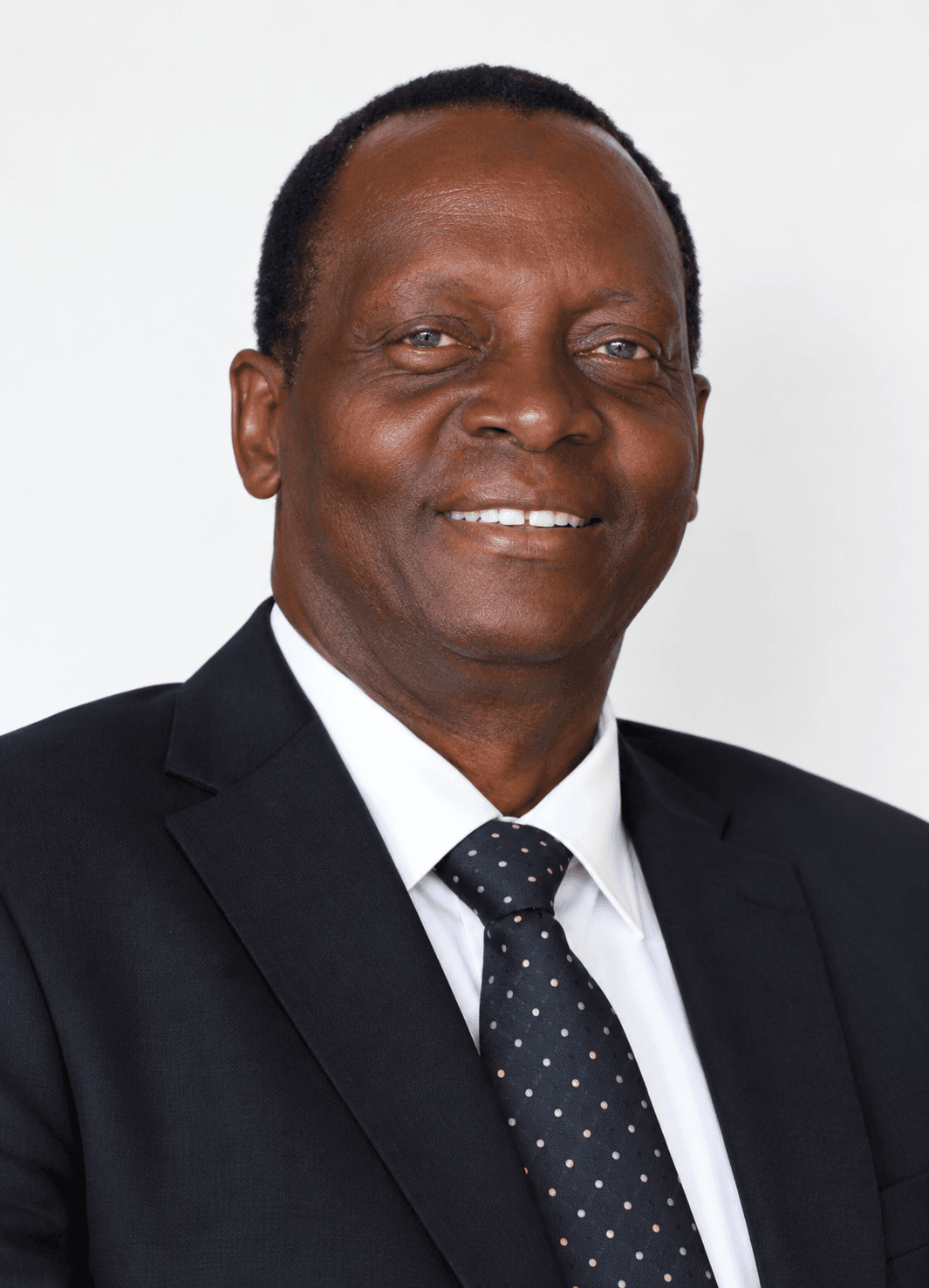
Dr. James Mwitari
Kenya Medical Research Institute (KEMRI-APCE) – Air Pollution Centre of Excellence
Dr. James Mwitari is a seasoned public health practitioner, epidemiologist and research leader with over 35 years of experience spanning environmental health, air pollution, clean energy, health systems, community health practice and public policy. He is a Senior Principal Research Scientist at KEMRI, Co-Director of the CLEAN-Air (Africa) Global Health Research Unit and Director of the KEMRI Air Pollution Centre of Excellence. He has previously served as Deputy Director of Public Health in Kenya’s Ministry of Health, Head of the Health Research Coordination Unit, and Dean of the School of Public Health at Amref International University. His work integrates epidemiological and environmental health research with community health practice, health-system strengthening and policy engagement, with a strong focus on translating evidence into practical interventions that improve population health and address environmental and climate related risks. Within CLIMA, Dr. Mwitari provides senior scientific and institutional leadership, drawing on extensive experience in research, policy development, evidence informed decision making, capacity strengthening and international collaboration. He has led major research and capacity-building programmes on air pollution and clean energy, contributed to national health and environmental strategies, and supported continental initiatives on climate change and health. His leadership strengthens CLIMA’s ability to translate evidence on climate mitigation, environmental health and population health into policy and practice.

Dr. Bas Henzing
TNO, Netherlands
Bas Henzing is a climate and air quality scientist by training and by heart. Working at TNO in the Netherlands, he leads the Climate & Air Quality research group, supported by dedicated operational managers guiding seven product-market-combination teams. His responsibility is the overall lead in ensuring knowledge development stays aligned with market demands. His personal goal is to establish a Sustainable Atmospheric Monitoring Service for Africa.
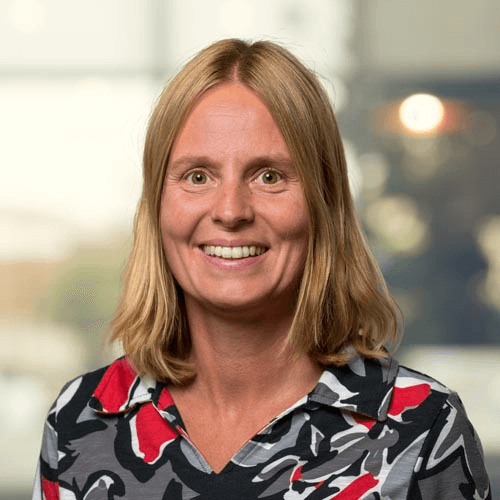
Dr. Anjoeka Pronk
TNO, Netherlands
Anjoeka Pronk is an exposure scientist and epidemiologist at TNO with a special interest in quantifying climate-related exposures and their health effects, with the aim of improving health and wellbeing for those affected by climate change. Her work includes contributing to climate vulnerability and adaptation assessments as a basis for adaptation plans, and demonstrating the potential health impacts of climate adaptation and the health co-benefits of climate mitigation. She has experience combining high-resolution meteorological data from weather services with local sensor measurements and population characteristics to assess heat stress exposure and vulnerability, for example among outdoor workers or pregnant women.