About The Project
Pioneering Climate and Health Solutions
CLIMA is transforming climate action in Kenya by quantifying the health, social, and economic co-benefits of mitigation strategies in the energy, transport, and environmental sectors.
CLIMA is transforming climate action in Kenya by quantifying the health, social, and economic co-benefits of mitigation strategies in the energy, transport, and environmental sectors.
Systematically characterize priority climate mitigation actions aligned with Kenya's National Climate Change Action Plan (2023-2027) across energy, transport, and environmental sectors.
Establish comprehensive environmental monitoring to measure air quality changes resulting from mitigation interventions.
Deploy high-resolution LOTOS-EUROS chemical transport modelling to quantify sector-specific air quality impacts.
Conduct integrated assessments to quantify multisectoral health, social, and economic co-benefits of air pollution mitigation actions.
Establish robust governance structures to drive climate and health thought leadership, knowledge generation, and actionable policy translation.
The study will be conducted in the Nairobi Metropolitan Area (Nairobi, Kiambu, Kajiado, Machakos, and Murang’a counties), representing challenges common across rapidly urbanizing African cities while providing diverse geography from urban core to peri-urban settlements for assessing intervention impacts across varied socio-economic contexts. To meet the stated objectives, the project is structured around five distinct yet interconnected work packages.
Lead: KEMRI-APCE, collaborating with TNO
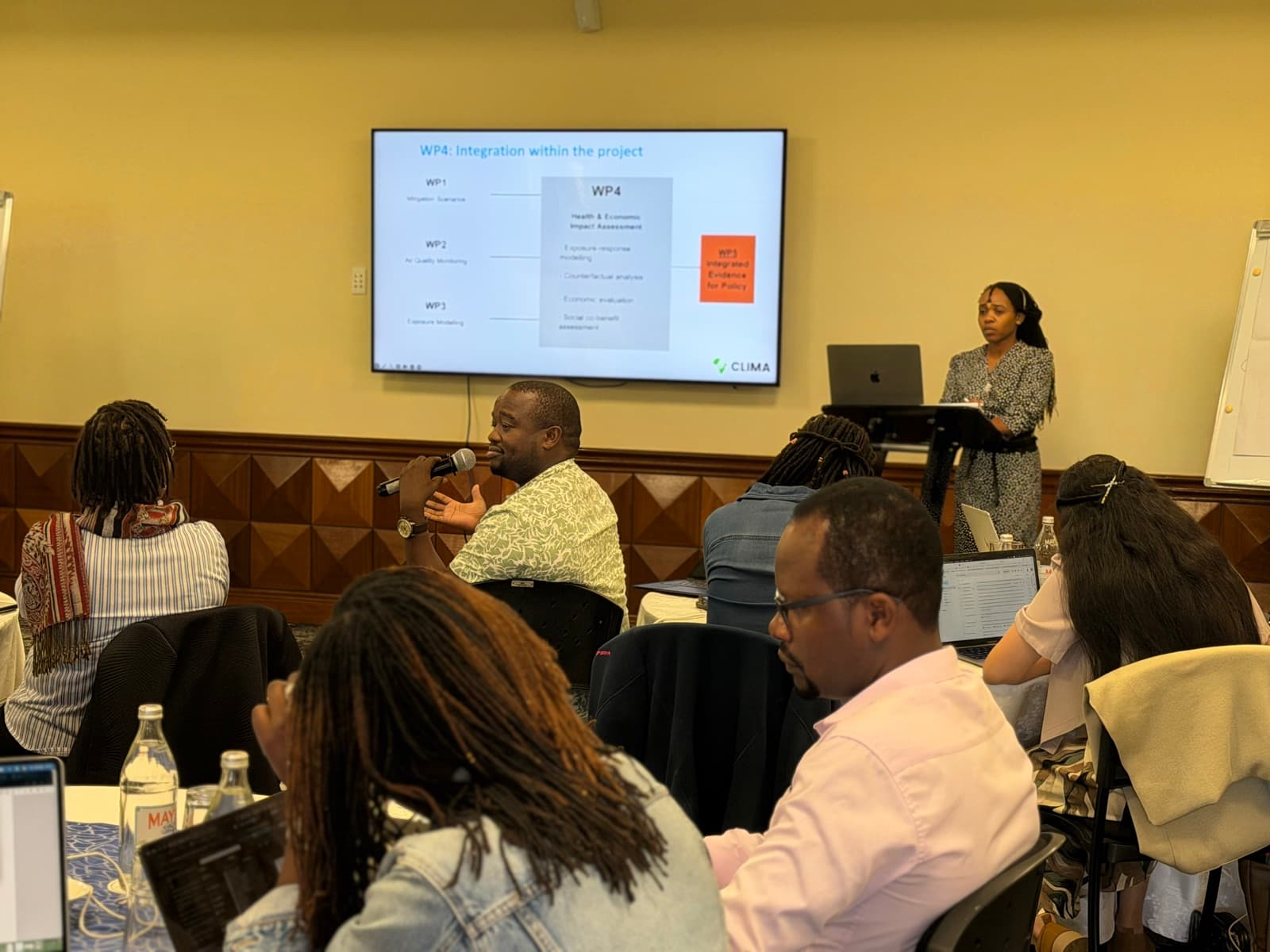
This work package will identify and assess four to six priority climate mitigation actions in Kenya’s energy, transport, and environmental sectors. Through comprehensive desk review, stakeholder consultations and policy reviews, the project will develop implementation scenarios and estimate their potential to reduce greenhouse gas emissions and improve health outcomes.
Key outputs
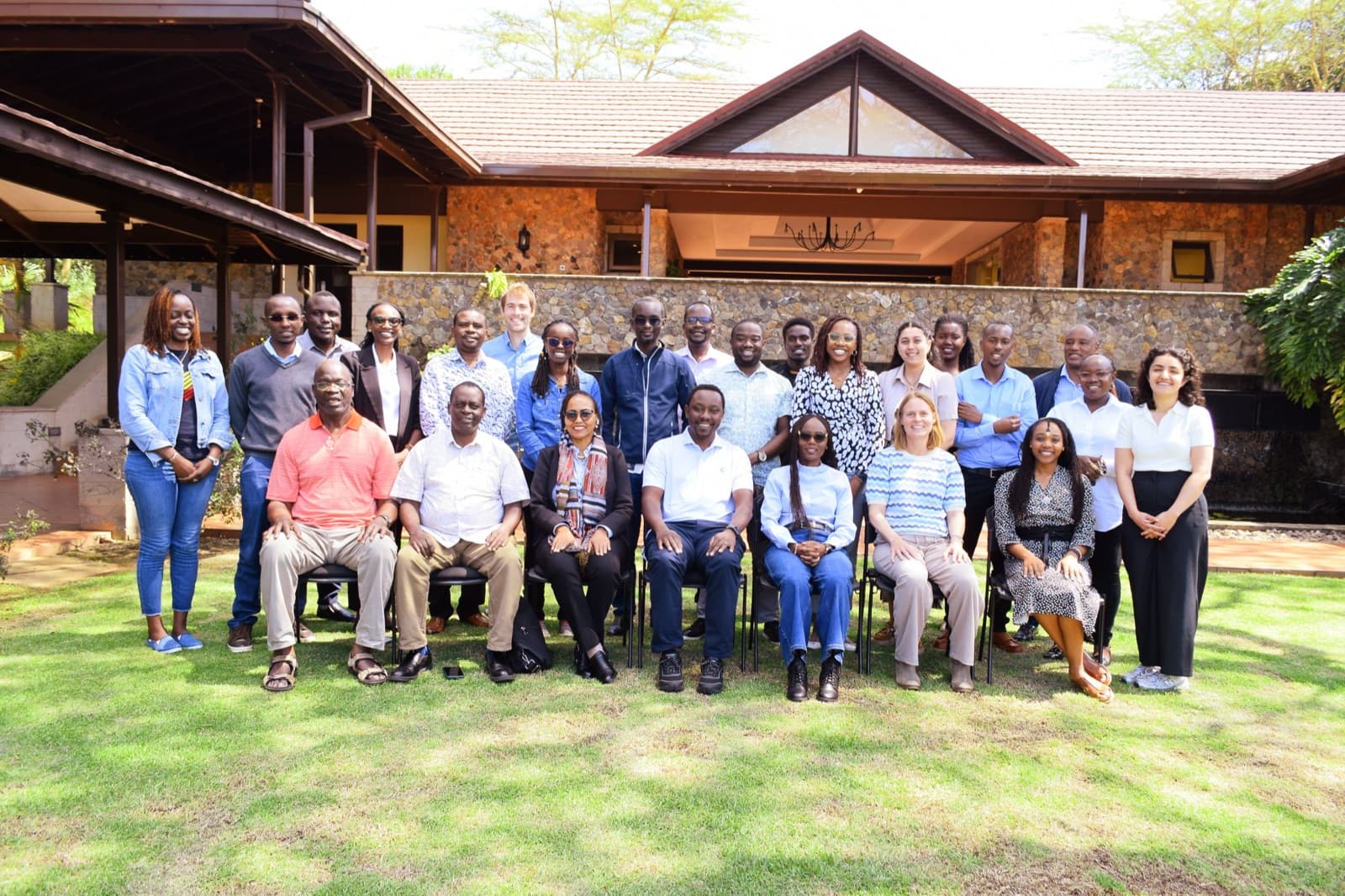
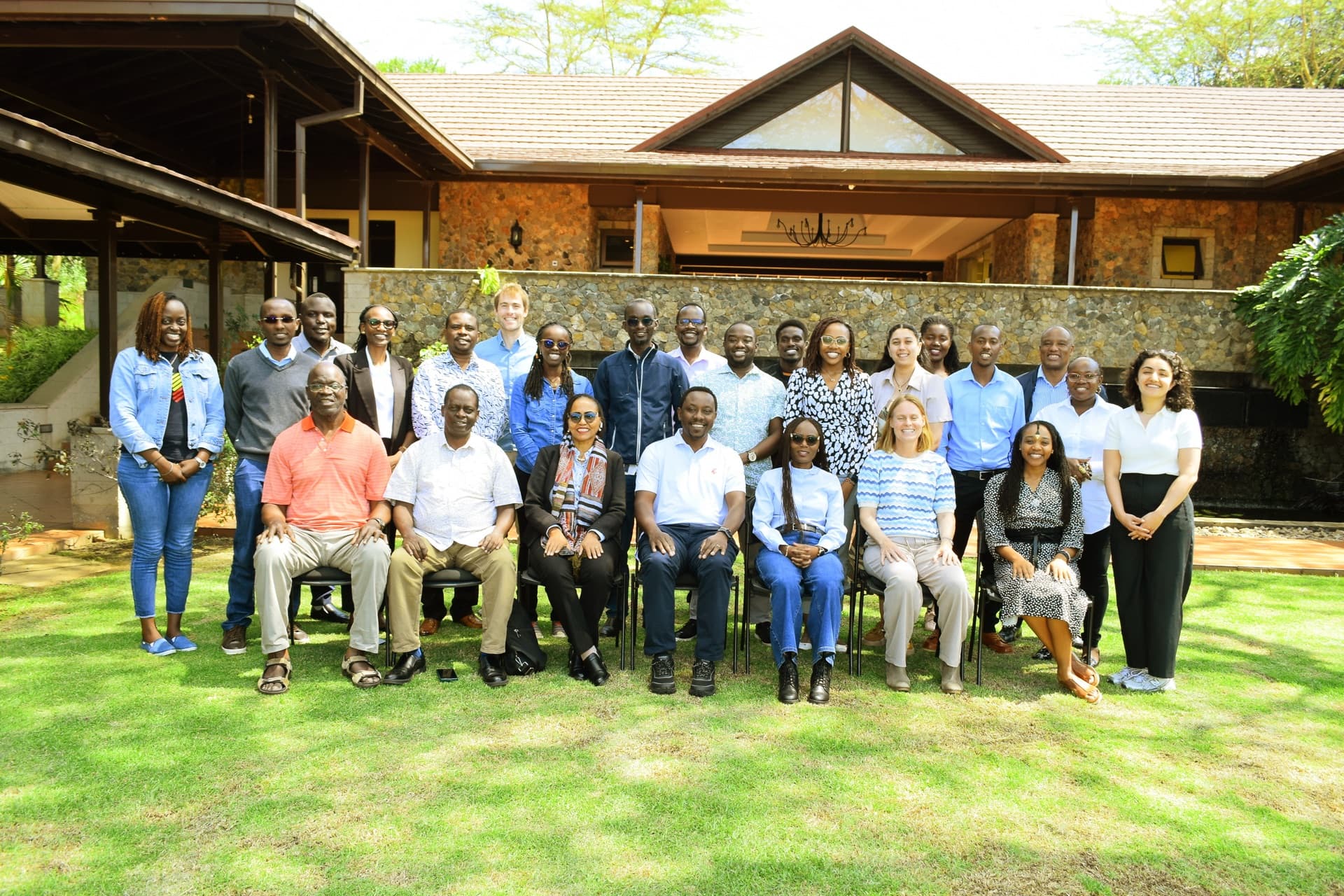
Epidemiologists, health economists, climate scientists, air quality experts, modellers and policy specialists from CEMA, KEMRI-APCE, Air Quality Systems East Africa and TNO Netherlands, working together across Kenya and the Netherlands.