Kenya study aims to show how climate action can improve health, society and the economy, with lessons for Africa
Kenya’s efforts to tackle climate change could bring benefits that extend well beyond reducing greenhouse gas emissions. Actions to cut pollution could also improve people’s health, strengthen communities and deliver economic gains, but those benefits have not been systematically measured.
A new three-year study is now seeking to put evidence behind that connection.
The CLIMA study, led by the Center for Epidemiological Modelling and Analysis (CEMA) at the University of Nairobi and funded by the Wellcome Trust, will examine the health, social and economic benefits of climate mitigation actions in Kenya’s energy, transport and environmental sectors.
The research comes as Kenya implements climate action under its National Climate Change Action Plan 2023–2027, but without a system to regularly track the health benefits resulting from those efforts.
Climate action can improve health by reducing risks such as air pollution, which remains a significant public health challenge in Kenya. By demonstrating the connections between climate action, better health and economic benefits, the study aims to support greater investment in climate solutions and help policymakers identify actions that deliver the greatest benefits for people and the environment.
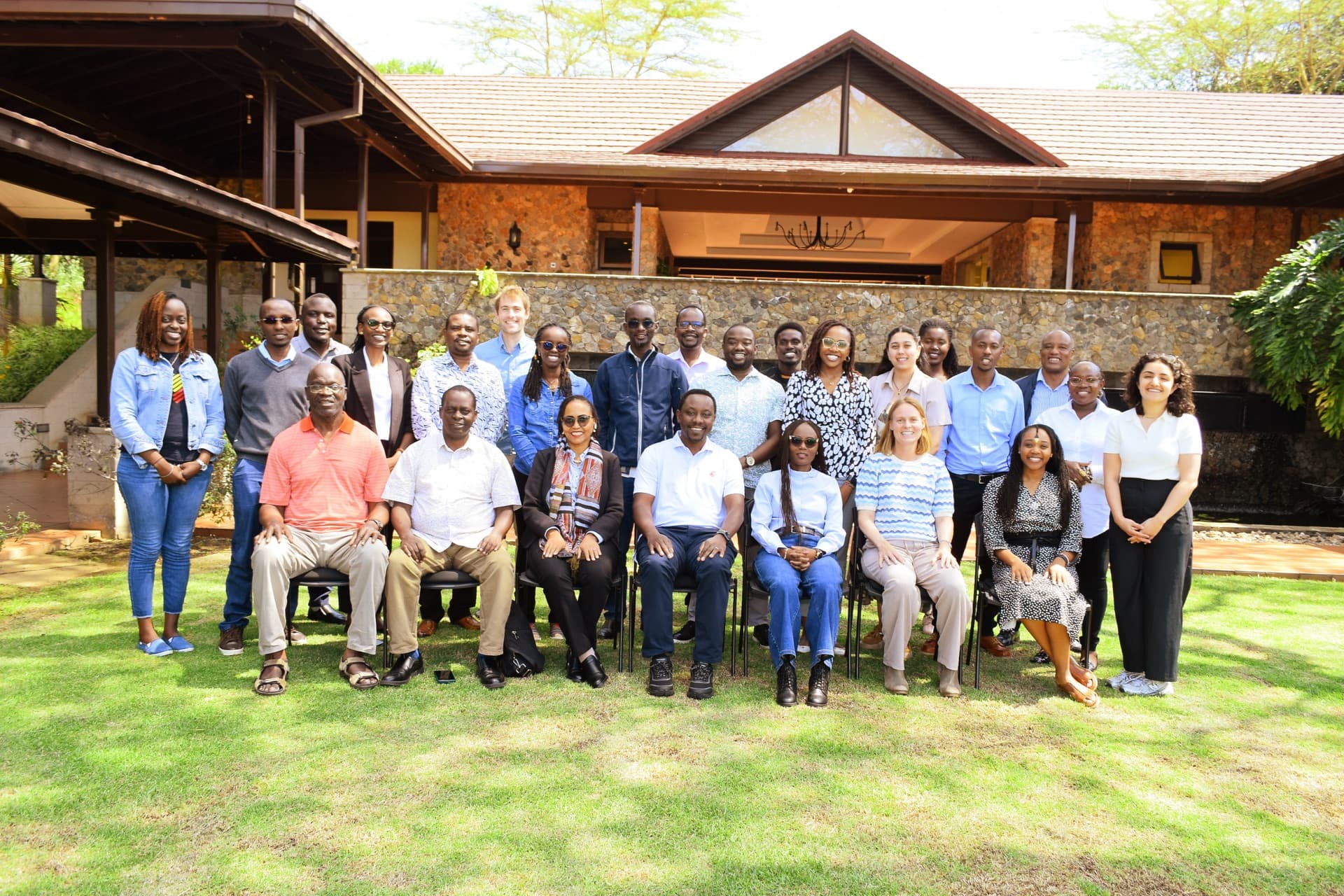
Speaking at the launch, CEMA Co-Director and CLIMA Principal Investigator Prof. Thumbi Mwangi said the study marks an important step for CEMA and could provide a benchmark for countries seeking to quantify and track the tangible gains of climate mitigation efforts.
“The launch of the CLIMA study marks an exciting milestone for us at CEMA as we expand our research focus and deepen our commitment to work that delivers meaningful impact. Through this study, we have an opportunity to generate evidence that supports healthier populations, stronger communities, and sustainable economic growth,” he said.
Prof. Mwangi said the project would also seek to demonstrate the real-world benefits of climate action in Kenya and generate evidence that could help accelerate the adoption of effective, people-centred interventions.
“With CLIMA, we aim to demonstrate the real-world benefits of climate action in Kenya and provide evidence that can help accelerate the adoption of effective, people-centred interventions. Beyond Kenya, we believe the study can offer valuable insights and serve as a model for other African cities facing similar environmental and public health challenges, creating opportunities to improve lives across the continent.”
A closer look at climate action and health
The research will take place across the Nairobi Metropolitan Area, which includes Nairobi, Kiambu, Kajiado, Machakos and Murang’a counties.
The region is rapidly urbanising and reflects many of the environmental and public health challenges faced by cities across Africa. Its varied geographic and socio-economic settings — from dense urban centres to peri-urban communities, will allow researchers to assess the impacts of interventions across different populations.
For Dr. Bas Henzing, CLIMA Project Lead at TNO Netherlands, the study comes at a time when there is growing recognition that climate action can deliver benefits beyond emissions reduction.
“This study comes at a time of growing recognition that climate action delivers benefits beyond emissions reduction. By examining how climate interventions affect air quality, health, and overall wellbeing, the project takes a more holistic approach to understanding impact. It also helps address critical evidence gaps, including the need for stronger local data and context-specific approaches to assessing health outcomes in Kenya, contributing to more effective and people-centred climate responses.”
Henzing added that the project would provide an opportunity for TNO to deepen its understanding of local contexts and expand the application of air quality and emissions modelling tools in Africa, with Kenya serving as an important starting point.
The researchers will establish a system to monitor greenhouse gas emissions and map pollution exposure from the same sources across different areas of the Nairobi Metropolitan Area.
They will assess climate mitigation actions selected through consultations with policymakers, technocrats, industry players and communities. The actions will be aligned with Kenya’s National Climate Change Action Plan.
The study will also examine health impacts associated with air pollution and model different possible futures, from continuing current practices to implementing varying levels of climate action.
By comparing these scenarios, researchers will estimate the potential health benefits of reducing emissions. The findings are expected to help Kenya make more informed climate policy decisions while contributing to global research on climate change and public health.
Bringing different disciplines together
CLIMA brings together a transdisciplinary partnership of researchers and organisations from Kenya and the Netherlands.
The partners include the Kenya Medical Research Institute (KEMRI) Air Pollution Centre of Excellence, Air Quality Systems East Africa (AQS) and TNO Netherlands.
The KEMRI Air Pollution Centre of Excellence coordinates Kenya’s Air Pollution, Energy and Health and Climate Change and Health Technical Working Groups.
AQS, a regional provider of air quality monitoring and sensor technologies, is establishing an environmental monitoring network across the Nairobi Metropolitan Area for the project. TNO brings expertise in air quality modelling and monitoring.
The collaboration brings together epidemiologists, health economists, climate scientists, air quality experts, modellers and policy specialists.
Together, the team will leverage Kenya’s national health data systems, monitor and map pollution exposure and work with government ministries to ensure that evidence generated through the study can inform policy and accelerate climate action.
For Prof. Maina Muniafu, CLIMA Project Lead at AQS, bringing these different sources of evidence together will be important in demonstrating the wider value of climate action.
“By blending existing monitoring efforts with advanced modeling and public health data, CLIMA will deliver the definitive evidence required to prove the economic and health benefits of climate action, ultimately driving smarter policy and future encouraging internal and external climate financing.”
Over the three years of the study, CLIMA will seek to connect evidence on emissions and pollution with evidence on health and economic outcomes.
The ambition is to give policymakers a clearer understanding of the consequences of different climate choices, and the potential gains that can come from actions that reduce emissions and improve air quality.
For CEMA, the project also represents an opportunity to extend its data-driven research beyond epidemiological modelling and deepen its work at the intersection of climate, health and economic policy.
If successful, the evidence generated in Kenya could offer lessons for other African cities facing similar environmental and public health challenges.